Thoughts to Actions (T2A) Internship
With Councilmember Zeel Ahir & the City of Artesia
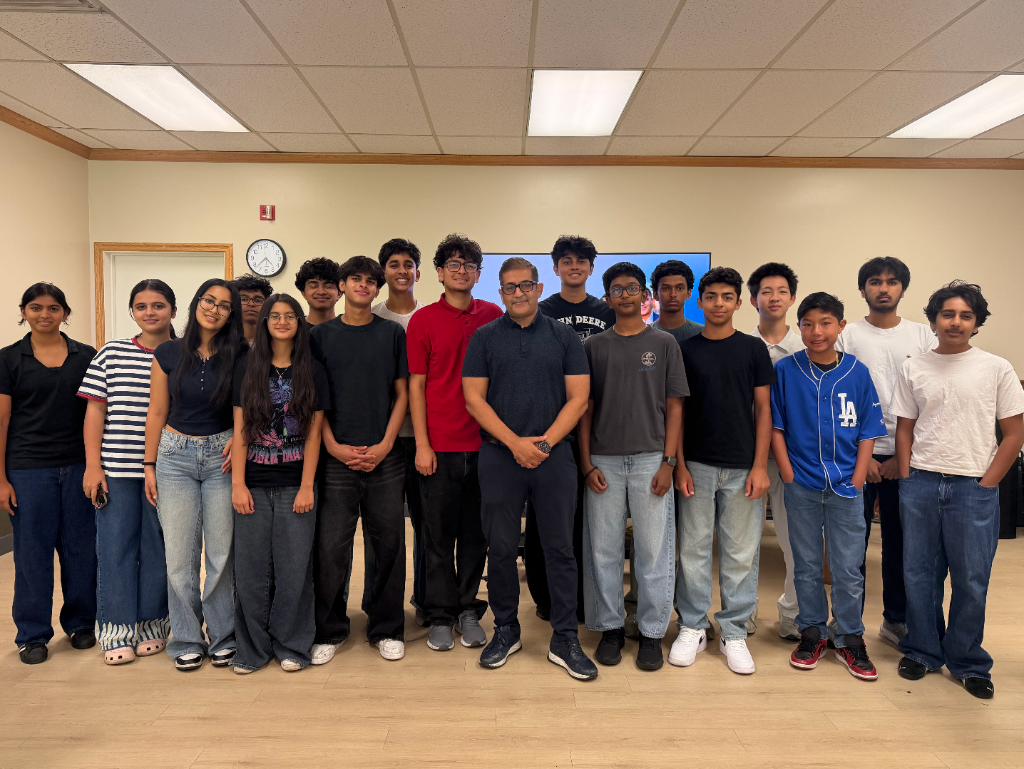
Thoughts to Actions is YCTT's annual city-sponsored summer flagship program, where instead of lecturing, students are building. Interns spend 2–3 months visiting businesses, meeting CEOs, analyzing real policies, developing their own policy proposals, and learning through a nontraditional, hands-on curriculum.
How are we different?
Our nontraditional, hands-on curriculum uses:
- Case studies for student engagement
- Giving students hands-on opportunities to work with (and improve) local businesses
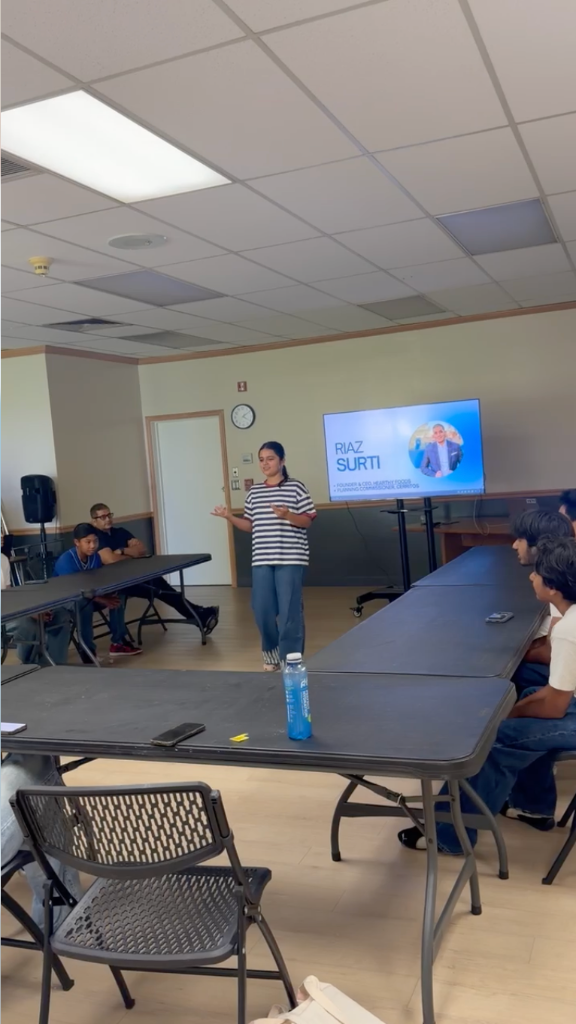
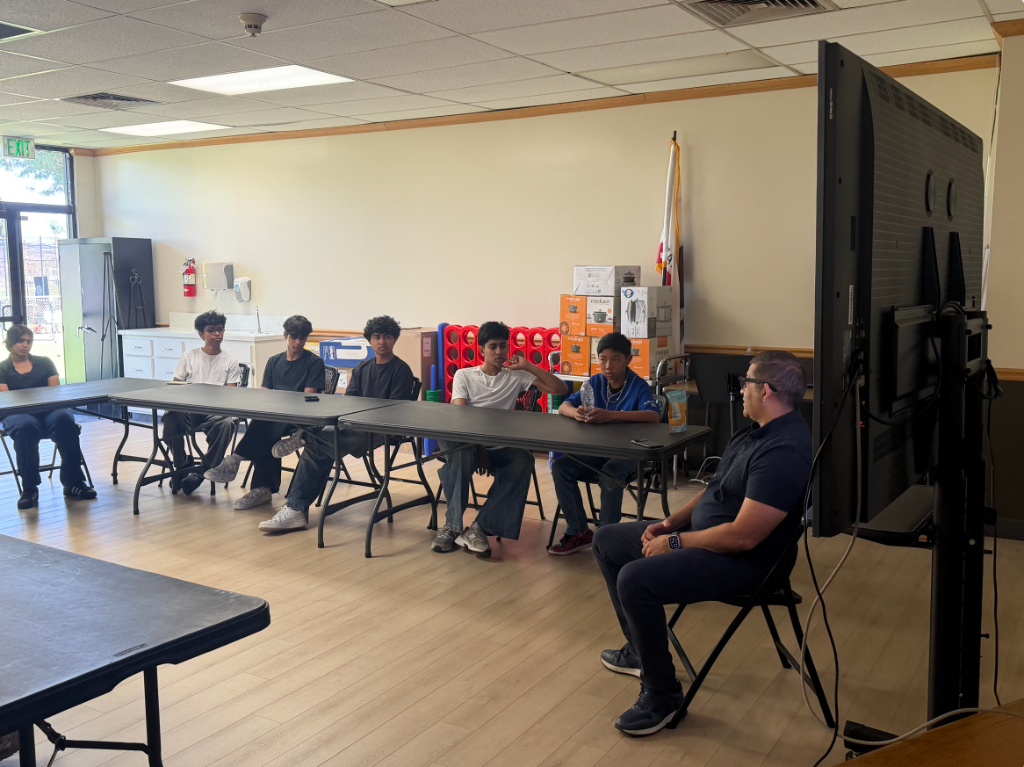
- Interviews with mayors, CEOs, and real legislators
Program by Year
The results speak for themselves
Thoughts to Actions (T2A) is YCTT's annual summer internship, built around one mission: educate youth on how local government, commerce, and policy come together to build a functioning society. Instead of a lecture-based curriculum, our interns learn by doing, split across two hands-on tracks.
In the Business Improvement Track, students conduct in-depth interviews across 10+ local businesses partnered with, shadow day-to-day operations, and pair up to propose real revenue-boosting changes to a business of their choosing.
In the Public Policy Track, students examine 30+ state policies analyzed alongside real legislation, interview policymakers across California, and draft original bills to address a real problem in their own community. They have completed 3 in-depth case studies, including how legislation in industries like Chicago's meatpacking sector reshaped an entire market.
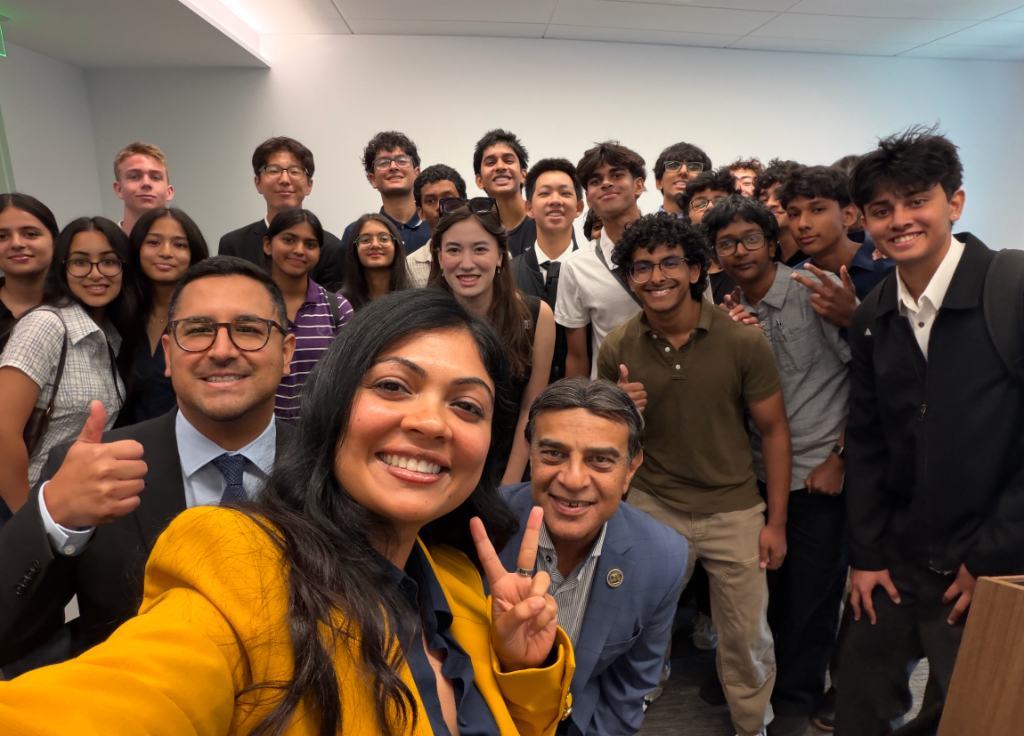
The cohort also visited the SCAG Annual Summit, connecting interns with mayors and councilmembers across multiple SoCal counties.
Every intern is building toward August 3rd, when they'll pitch their business proposals and original bills to real stakeholders and officials, competing for SoCal recognition and prizes.
Democracy doesn't wait for a diploma, and neither do these students.
Public Policy Track
Interns examine real legislation, interview policymakers across California, and draft original bills addressing a real problem in their own community.
Business Improvement Track
Interns conduct in-depth interviews with real local businesses, shadow day-to-day operations, and pair up to propose genuine revenue-boosting changes to a business of their choosing.
10+
Businesses partnered with
30+
State policies analyzed
3
In-depth case studies completed
22
Interns in the current cohort
2026 example activity:
Our SCAG Collaboration
Our cohort of 22 interns took the LA Metro from Norwalk into Downtown Los Angeles for the Regional Summit of the Southern California Association of Governments (SCAG), a six-county representative body serving 191 cities across the region.
It would have been easy to observe. Instead, our students engaged: advocating for youth involvement in local government, bringing modernization ideas for a digital age to the table, and sitting down with politicians, attorneys, engineers, and civic leaders from across Southern California.
on film!
Councilwoman Ahir and her team at the Radio Television Artesia captured some of the key moments of our travel to SCAG.
*Cameras weren't allowed inside the actual building, so this is the journey there instead.
191
Cities represented at the summit
3
Committee sessions joined
20+
Mayors & councilmembers connected with
Our Lesson Outlines
The Capstone Project
PPT: Capstone Project
Public Policy Capstone
Stage 1:
Identify a local issue, research about it, and create your own idea for a bill! Then, present your proposal at the conclusion of the internship.
Stage 2:
Throughout the internship, interns create comprehensive policy briefs on issues that matter to them. Interns present evidence and recommend actionable solutions for nation-wide publication.
Stage 3:
Selected published briefs move from paper to practice: interns earn the opportunity to present their recommendations directly to local city leaders and advocate for real-world implementation!
BIT: Capstone Project
Business Improvement Capstone
Stage 1:
Interview 10+ local businesses across Artesia, learning firsthand how they market, operate, and grow.
Stage 2:
Pair up with one business and run a full analysis, digging into their strengths, weaknesses, and where they’re leaving revenue on the table.
Stage 3:
Propose real, actionable changes to increase that business’s revenue, then pitch the plan directly to the business owner and local city leaders.